Sodo Town, South Ethiopia Regional State | September 18, 2026
South Ethiopia Regional State has reaffirmed its commitment to improving Early Childhood Development (ECD), while the African Center of Excellence for Early Childhood Development (AfCECD) has vowed to provide ongoing technical assistance to develop and expand ECD implementation throughout the area.
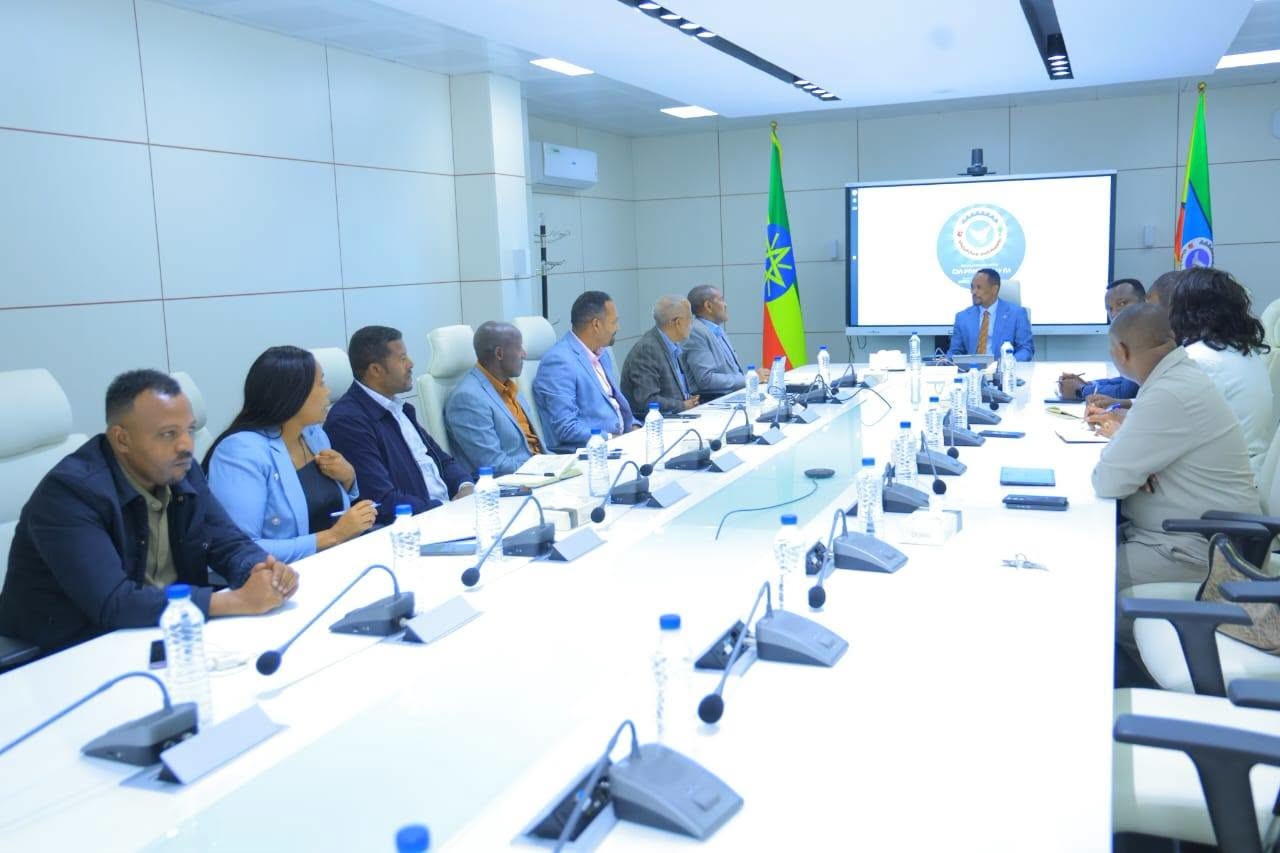
The commitment was highlighted during a high-level field mission held in Sodo Town from September 17 to 18, 2026, which included the Regional President, key sector bureau directors, and mayors from six towns. The engagement focused on regionalizing the national ECD agenda, improving coordination, and laying the groundwork for efficient execution.
Regional leadership calls for coordinated ECD action
H.E. Ato Tilahun Kebede, Regional President, praised efforts to increase ECD and underlined the necessity of conducting a regional baseline study, roadmap, and implementation plan.
He advocated for a coordinated governance structure to reduce redundancy and directed that the Bureaus of Agriculture and Communication be represented in the Regional ECD Steering and Technical Committees, as well as other relevant sectors as needed.
The President stressed practical ECD initiatives at the family, community, and institutional levels, including attention to nutrition, child-friendly infrastructure, monitoring and evaluation, accountability, and appropriate legal and regulatory frameworks.
Building on regional progress
The engagement recognized existing investments as critical possibilities to advance ECD in South Ethiopia.
Since its inception, the region has reportedly built over 300 pre-primary schools and 80 community pharmacies. These developments provide a framework for future ECD interventions.
The Head of the Education Bureau also mentioned observed increases in children’s enrollment and attendance following the implementation of school feeding and raised concerns about caregiving procedures for children aged 0 to 3 years. Dr. Kebede Worku, CEO of AfCECD, offered clarification on the matter.
Evidence and planning at the center of the next phase
The proposed regional ECD baseline survey was well welcomed during the mission.
AfCECD requested that teacher-training/teachers colleges and health science training colleges participate in the fieldwork. The Regional President praised the proposal and underlined that the findings should help shape the regional ECD vision and implementation plan.
The baseline survey will help generate evidence to support future planning, implementation, and monitoring.
Focus on nurturing care and child-friendly environments
The mission also emphasized the need to create conditions in which young children can grow, learn, and flourish.
The Regional President advocated for practical initiatives at the family, community, and institutional levels, such as lemat terufat, as well as efforts to close nutritional gaps through enhanced production and preparation.
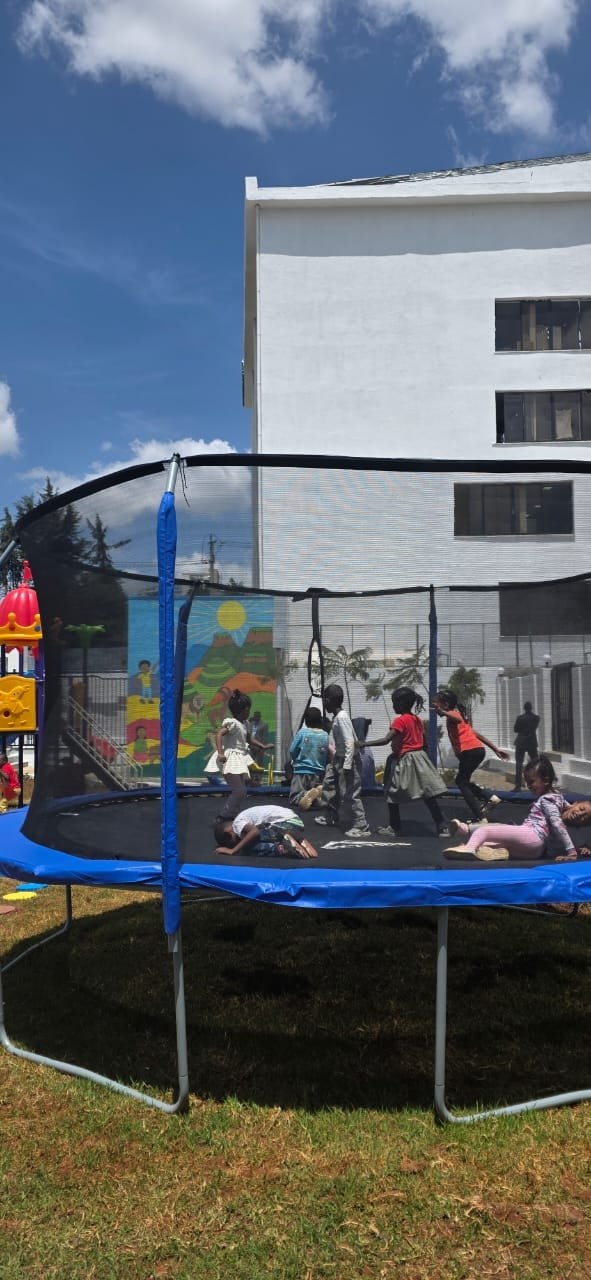
He also advocated for the adoption of minimum requirements and obligations for child-friendly infrastructure, such as buildings, schools, highways, and hotels, as well as provisions for children’s playgrounds. The area was also encouraged to learn from Addis Ababa’s ECD governance experience and move a regional ECD law through the Cabinet.
AfCECD reaffirms technical support
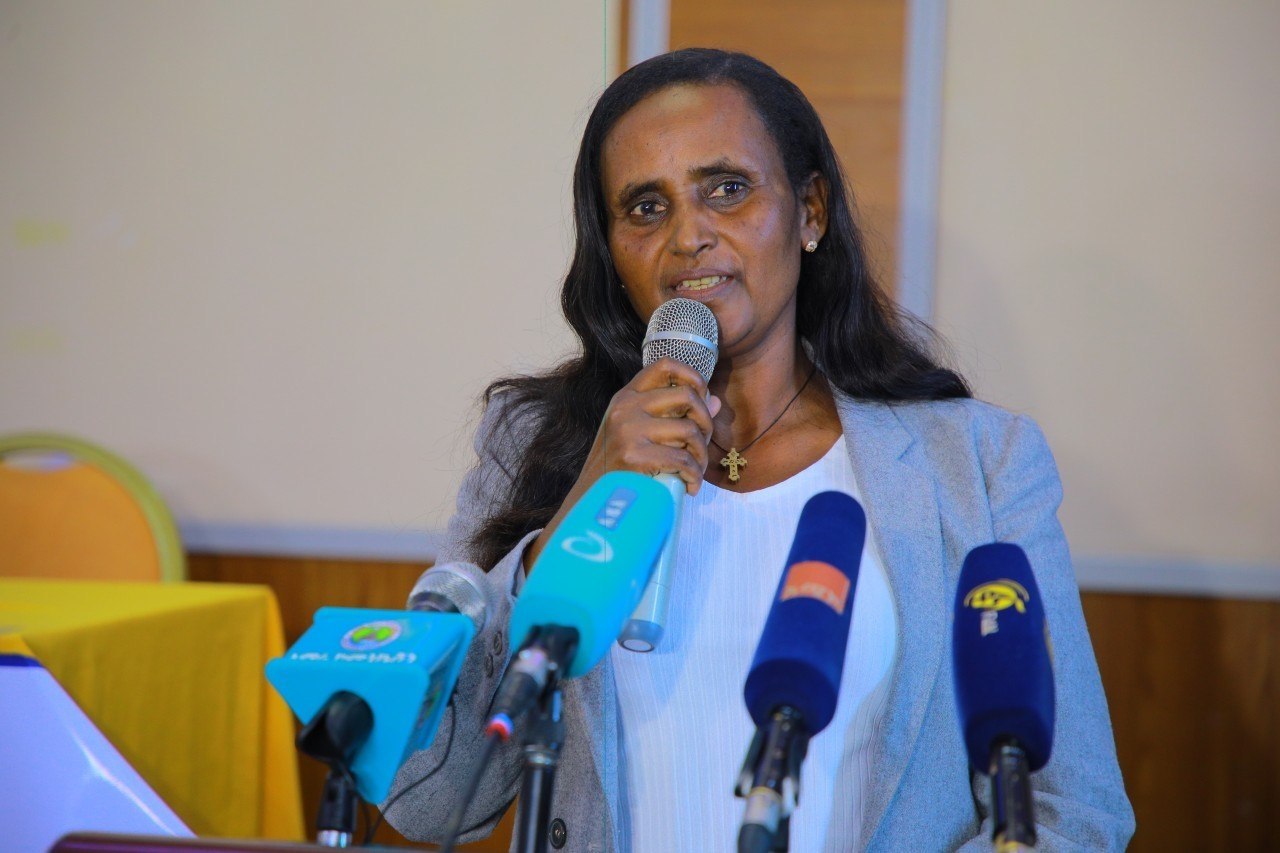
Speaking on behalf of AfCECD, Dr. Kebede Worku, CEO, praised the regional leadership’s participation and reaffirmed the Center’s commitment to supporting the regional ECD process.
Leadership training, learning exchange, the creation of an annual plan and roadmap, and assistance with the baseline survey and related activities are among the intended benefits.
The pledge is consistent with AfC-ECD’s broader efforts to enhance comprehensive and multisectoral ECD systems through research, monitoring, and evaluation, capacity building, knowledge exchange, and the scaling of effective practices.
Strengthening coordination across six towns
The discussion resulted in agreement on the significance of regionally coordinated implementation.
The Regional President advocated for a unified regional ECD governance framework, improved monitoring and assessment, designated ECD focal points within relevant bureaus, and clear implementation and accountability mechanisms.
In addition, the region will engage with the six towns and their mayors to build a coordinating framework to facilitate local implementation.
The Sodo engagement provides a foundation for translating regional leadership commitment into coordinated action. The next phase will focus on the baseline survey, roadmap, annual plan and institutional arrangements needed to strengthen ECD implementation across South Ethiopia Regional State.